

How Does Travel Contribute to Lower Back Pain?
Travel—whether by car, plane, train, or bus—often involves extended periods of sitting, cramped quarters, and less freedom to move. For residents in Greece, NY, trips to popular destinations or commutes beyond the city limits commonly lead to uncomfortable lower back strain. Limited mobility, vibration from vehicles, poor posture, and heavy luggage all increase risk, especially if recent weather or road conditions create delays and longer travel times.
Sitting compresses the lower spine, reducing blood flow to muscles and discs. This combination weakens the natural support system in the back, making minor strains or existing imbalances worse. Neighborhoods in Greece commonly have residents planning seasonal trips, and colder months here can mean tense muscles before travel even begins.
What Are Practical Ways to Prepare Before a Trip?
Even before you leave home, several steps can help keep your lower back safe. Simple, mindful preparation makes a difference:
- Choose luggage with wheels and a sturdy handle, or use a backpack with wide, padded straps to distribute weight more evenly.
- Pack light to avoid lifting and twisting with heavy bags, which is a common cause of strains for local travelers.
- Plan rest stops in advance, especially if driving out of Greece for several hours; use rest areas to get out, stretch, and walk around.
- Dress in layers that allow comfortable movement—tight belts and stiff clothing can restrict circulation and mobility.
Pre-travel stretching is also helpful. Focus on gentle hamstring, hip, and lower back movements. For those not sure which exercises are safe, simple routines like knee-to-chest stretches or supported child’s pose are usually manageable for most healthy adults.
How Can You Protect Your Back During Car or Bus Travel?
Long drives from Greece, NY can lead to slouching or slumping. Minimize risk with these approaches:
- Adjust your seat so that your knees are level with your hips. Your lower back should rest against the seat’s lumbar curve—if the vehicle’s seat doesn’t provide enough support, a rolled-up towel or soft travel pillow in the lower back area can help maintain proper alignment.
- Take frequent breaks; even a quick stop every hour to stand and gently stretch helps lessen muscle fatigue.
- Switch positions periodically to avoid fixed postures.
- Share driving duties if possible to vary the stress on your spine.
- Keep both feet on the floor or a footrest to balance pressure on the lower back.
Bumpy roads or pothole-ridden stretches typical in Monroe County winters can cause jarring movements. Slow down when possible, and consider using a cushion designed to dampen vibration if road conditions are poor.
What About Planes and Trains?
Traveling by plane or rail has its own challenges. Seats are often narrow, with little space to stretch. To minimize discomfort:
- Bring a small lumbar pillow or fold a sweater to support the curve of your spine.
- Use carry-on luggage with wheels; lift bags carefully, bending the knees instead of twisting from the waist.
- Walk up and down the aisle when permitted—standing up every hour can reduce pressure on the lower spine, especially on long-haul trips out of the state.
- Use the footrest if available, but avoid crossing your legs for extended periods, as this shifts spinal alignment.
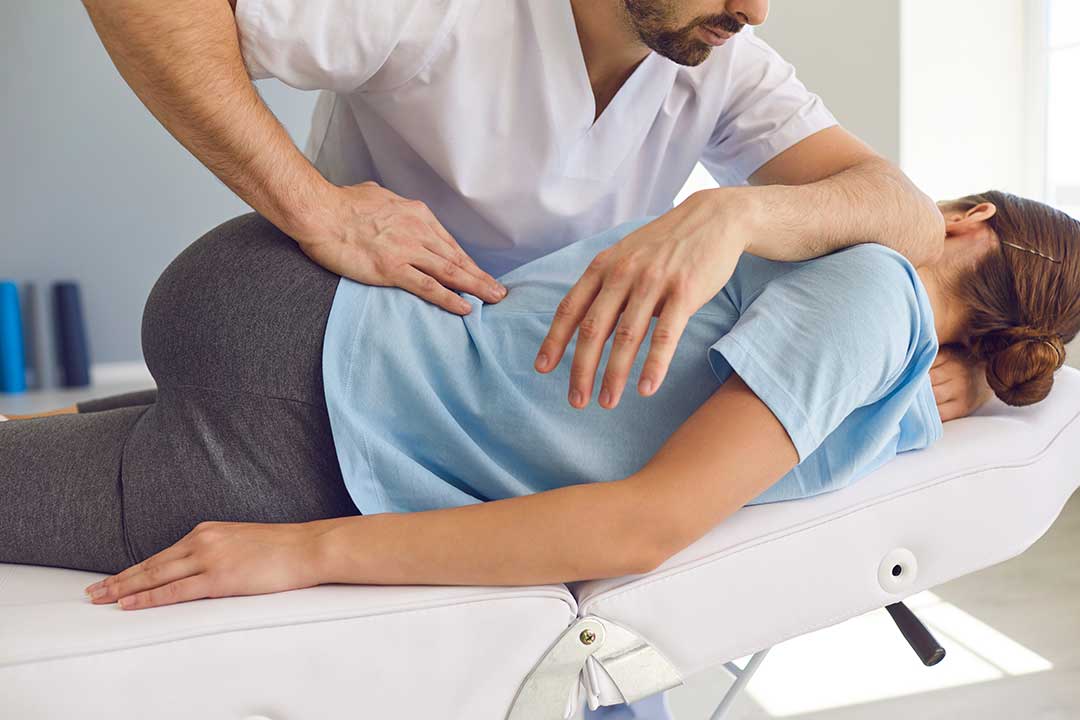
Using ice packs or heat wraps discreetly during the journey—small, single-use packs fit inside your bag—can help relieve tension if pain flares during travel.
Are There Common Mistakes Local Residents Make?
A frequent oversight is failing to take breaks, especially on shorter trips considered too brief for concern. Even a 45-minute trip to a local destination outside Greece can cause a flare-up if there’s been recent back trouble or prior injury. Another issue: lifting heavy items out of the trunk or overhead bins without proper technique. Always bend the knees, keep the load close, and avoid twisting movements.
Misjudging travel time in winter, when road closures or snow lead to delays, also results in longer-than-expected sitting—residents often find themselves stuck in traffic with few chances to stretch. Preparing for unpredictable travel times by keeping extra water and snacks in the car makes it easier to take comfortable, low-stress breaks when necessary.
Which Local Factors Should Residents of Greece, NY Consider?
Several factors unique to the area can affect back health during travel. The seasonal variability in upstate New York means that muscles may be more prone to stiffness in the winter. Residents should warm up with gentle movement before heading out, even if the journey is short.
Commuter lifestyles and frequent outings to the Finger Lakes or state parks may also involve periods of lifting gear or sitting in boats and buses. Considerations like safe lifting techniques and regular movement remain key, whether headed to a nearby trailhead or venturing to another part of the state.
Road and air travel out of Greece can be affected by weather delays; anticipate and plan for longer periods in transit by packing supportive items (like cushions or braces if recommended) and stretches that can be done while seated.
How Can You Stay Comfortable After Returning Home?
After a journey, spend a few moments gently moving and stretching. Walking around the house, doing light stretches for the back, hips, and hamstrings, and using an ice or heat pack if soreness develops can help reset the body. Residents of Greece typically welcome returning home—make use of familiar, comfortable furniture to unwind and support recovery.
If swelling, tingling, or significant pain occurs after travel and does not resolve with rest and gentle movement, it may indicate a need for medical evaluation—especially if symptoms interfere with routine daily activities.
